
DATAxSCIENCE 2020
In 2017, the ARF organized a conference, hosted at Google, to consider the predictive accuracy of different methods of business and political forecasting. Given that pre-election polls had been widely blamed for failing to predict the outcome of the 2016 Presidential election, half of the ARF program was devoted to a post-mortem assessment of the polling methodologies — comparing the canonical methods with newer methods based on social media monitoring, betting markets, momentum analysis and modeling of social indicators.
One month after the 2020 Presidential election, the ARF returned to the subjects explored in 2017 — updated to reflect advances in the field and lessons from the 2020 election.
Topics included:
- What did Pollsters Learn from the 2020 Election Polls?
- There Were Always Mixed Signals
- In Defense of Polling
- Insights Into the Path to the 2020 Presidential Election
- COVID-19 Forecast
- Improving Viewership Projections
- Forecasting Outcomes for Optimized Impact in a Time of Uncertainty
Speakers

Rex BriggsFounder & Executive Chairman
Marketing Evolution, Inc.
Marketing Evolution, Inc.

David DutwinSVP, Strategic Initiatives
NORC at the University of Chicago
NORC at the University of Chicago
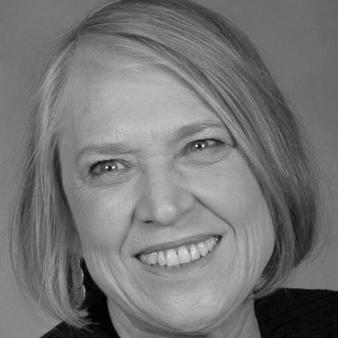
Kathy FrankovicConsultant
YouGov America, Inc.
YouGov America, Inc.

Robin GarfieldEVP, Research & Scheduling
CNN
CNN
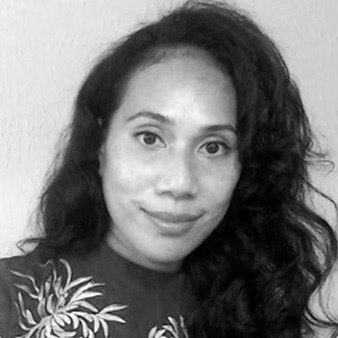
Diana SaafiData Science Lead
Discovery
Discovery

Mark WilsonAssociate Vice President
Analytic Partners
Analytic Partners

Clifford YoungPresident, US Public Affairs
Ipsos
Ipsos

Scott McDonald, Ph.D.President & CEO
ARF
ARF
Sponsored by


